
Here’s something I need to talk about, because I’m seeing it far too often, and it makes my blood boil.
Business owners like you, pouring money into marketing, trusting someone else to handle it… only to discover you don’t actually own any of it.
Not your Google Ads account. Not your Canva designs. Sometimes not even your own website or social media accounts.
This isn’t just inconvenient. It’s dangerous for your business. And today, I’m going to show you exactly what to look for, why this matters so much, and what to say if you recognise yourself in this situation.
Who really owns your marketing assets
Let me paint you a picture of what this looks like in real life.
I once spoke to a business owner who’d been working with a marketing agency for some time.. They were spending thousands on Google Ads every month. When they asked to see the account directly, the agency got cagey. Turns out, the ads weren’t even running in the business owner’s account, they were running in the agency’s account, and the business owner was being invoiced for the total spend plus management fees, with zero transparency about what was actually happening.
Once the client started to ask questions,, the relationship ended (as it inevitably did), the business owner almost lost everything. All that campaign history. All those carefully built audiences. All that data. Potentially Gone. Luckily I told them what to ask for and they got the data. But, it doesn’t have to be this way.
Or the business owner whose website was built on the freelancer’s hosting account, with the domain registered in the freelancer’s name. When they parted ways, they couldn’t access their own site without paying a ransom.
Or the one who discovered their social media accounts were set up using their marketing manager’s personal email address. When that person left, they were locked out of their own social media platforms.
These aren’t rare edge cases. This is happening all the time.
And here’s what keeps me up at night: you might not even know it’s happening to you right now.
Why This Matters So Bloody Much
When someone else controls your marketing assets, here’s what you’re risking:
- Loss of control and transparency
You can’t see what’s actually happening with your money. You can’t verify results. You can’t make informed decisions about your own business. - Vendor lock-in
If you want to switch agencies or bring marketing in-house, you can’t. You’re stuck. They know it. And some will absolutely use that leverage. - Data loss
All your campaign history, customer insights, performance data—it belongs to someone else. When you part ways, you start from scratch. - Business continuity risk
What happens if your freelancer gets hit by a bus? Has a breakdown? Ghosts you? You can’t access your own marketing channels. - Wasted investment
Every pound you’ve spent building those assets? It’s building their business, not yours. - Legal and compliance issues
If your Google Ads account is in someone else’s name and something goes wrong, you could still be liable, but you have no control.
This isn’t how ethical marketing partnerships work. Full stop.
Best practice for marketing ownership
Let me be crystal clear about what proper practice looks like, because I have 25 years of marketing experience across corporate, agency, and freelance, and I know exactly how this should be done.
The Right Way:
- Google Ads/Meta Ads: Should be run through a Manager Account structure where the client owns their account, and the agency/freelancer has access through the manager account. You maintain ownership. They maintain access. Everyone wins.
- Website: Should be hosted in your name, with your own hosting account. Domain registered to you or your business. You grant access to your developer/agency.
- Canva/Design Tools: Should be your account, your brand kit, your templates. You can add your designer as a team member.
- Social Media: Should be set up with your business email address. You grant access to your social media manager through proper admin/manager permissions.
- Email Marketing Platform: Your account, your list, your data. Always.
- Analytics: Your Google Analytics property, your Google Search Console, your data. Access granted to your marketing team.
This is Marketing 101. This is the professional standard. This is non-negotiable.
And yet, I see business owners discovering they don’t have proper access to these things all the time.
What to Say Right Now
If any of this is sounding uncomfortably familiar, here’s what you need to do.
First, don’t panic. This can be sorted. But it needs to be addressed now, not when you’re trying to part ways.
Second, check what you actually have access to:
Create a simple spreadsheet and audit:
- Website (hosting account, domain registration, CMS login)
- Social media accounts (admin access to Facebook Page, Instagram, LinkedIn, etc.)
- Advertising platforms (Google Ads, Meta Ads Manager)
- Design tools (Canva, Adobe, etc.)
- Email marketing (Mailchimp, ConvertKit, etc.)
- Analytics (Google Analytics, Search Console)
For each one, ask yourself: “If my agency/freelancer disappeared tomorrow, could I access this and continue running it?”
If the answer is no, you’ve got work to do.
Third, have the conversation:
Here’s a script you can adapt:
“I’ve been reviewing our marketing setup and want to make sure I have proper access and ownership of all our marketing assets. Can we schedule a time to go through each platform and ensure I have admin access to our accounts? I’d like to set up a shared document listing all our platforms, login details, and access levels. This isn’t about trust—it’s about business continuity and best practice.”
If they push back or get defensive:
“I appreciate the work you’re doing, but industry best practice is for businesses to own their own marketing assets, with agencies/freelancers having managed access. This protects both of us. If there’s a reason this isn’t currently set up that way, I need to understand what it is and how we can transition to proper ownership structure.”
If they refuse or continue making excuses:
That’s your red flag. A professional, ethical marketing partner will never have a problem with you owning your own assets. Never.
And this is a hill I will die on.
No reputable agency or freelancer should be running client accounts like this. It’s not ethical. It’s not professional. And it’s not in your best interests.
Your marketing assets are your business assets. You should own them, control them, and have full transparency into them.
If you’re not sure what access you have right now, go check. Do the audit I mentioned above. It’ll take you 20 minutes and could save you thousands of pounds and countless headaches.
And if you discover you’re not in control of your own marketing? We need to talk. I can help you navigate that conversation, help you understand what proper structure looks like, and make sure you’re protected going forward.
Because here’s what I believe: you’ve worked too hard building your business to have someone else hold the keys to your marketing kingdom.
Your business. Your assets. Your control.
That’s how it should be. And if you need support making that happen, I’m here.
What to do next:
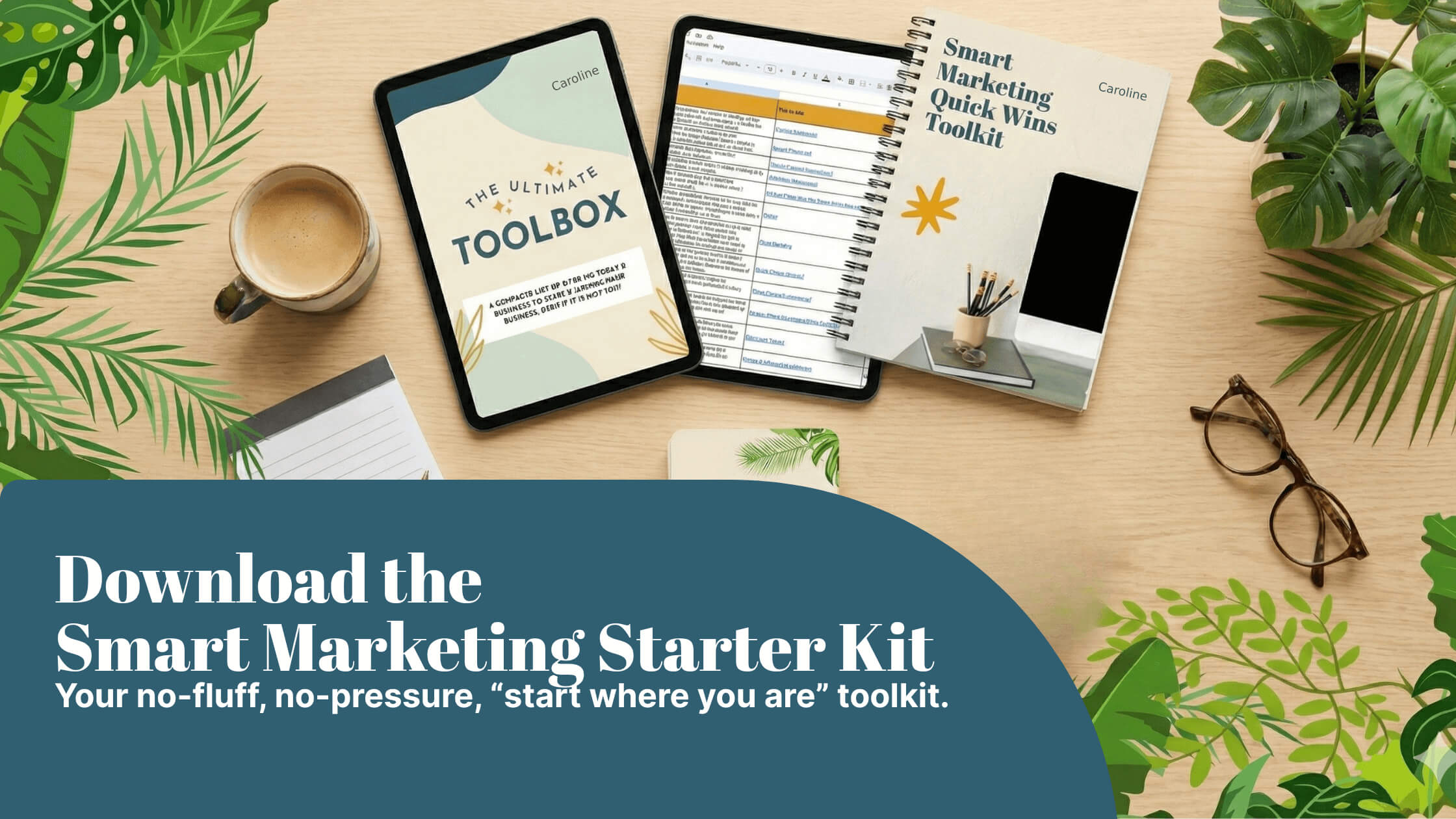
- Download my free Marketing Ownership Checklist In the Marketing Starter Kit – it includes a complete audit template and scripts for those tricky conversations.
- Already know you need help? Book a 60 Min Clarity Call with me and we’ll do a full marketing asset audit together, identify any gaps, and create an action plan to get you back in control.
- Want ongoing support as you take ownership of your marketing? The Smarter Marketing Club launches soon, join the waitlist Now
Still not sure if this applies to you? Ask yourself: “If I stopped working with my current marketing agency/freelancer tomorrow, would I still have access to run my Google Ads, post on social media, and update my website?” If you hesitated even for a second, you need that