
Right, let’s cut through the noise. You’re running a business, juggling more responsibilities than you care to count, and someone’s told you that you “absolutely must” build an email list. But between managing clients, dealing with family commitments, and trying to keep your head above water, the thought of adding another marketing task feels overwhelming.
Here’s the truth: building an email list isn’t just another marketing fad. It’s the foundation of sustainable business growth. And you don’t need to overcomplicate it.
Why Your Email List Matters More Than Social Media Followers
Let me be blunt about something. Those social media platforms you’re pouring energy into? You don’t own them. Algorithm changes, platform shutdowns, or policy shifts can wipe out years of work overnight. Your email list, however, is yours. It’s a direct line to people who’ve raised their hand and said, “Yes, I want to hear from you.”
Every person on your email list represents someone who’s genuinely interested in what you offer. They’re not scrolling past your content—they’re actively choosing to engage with it. That’s powerful stuff.
The Foundation: Your Lead Magnet
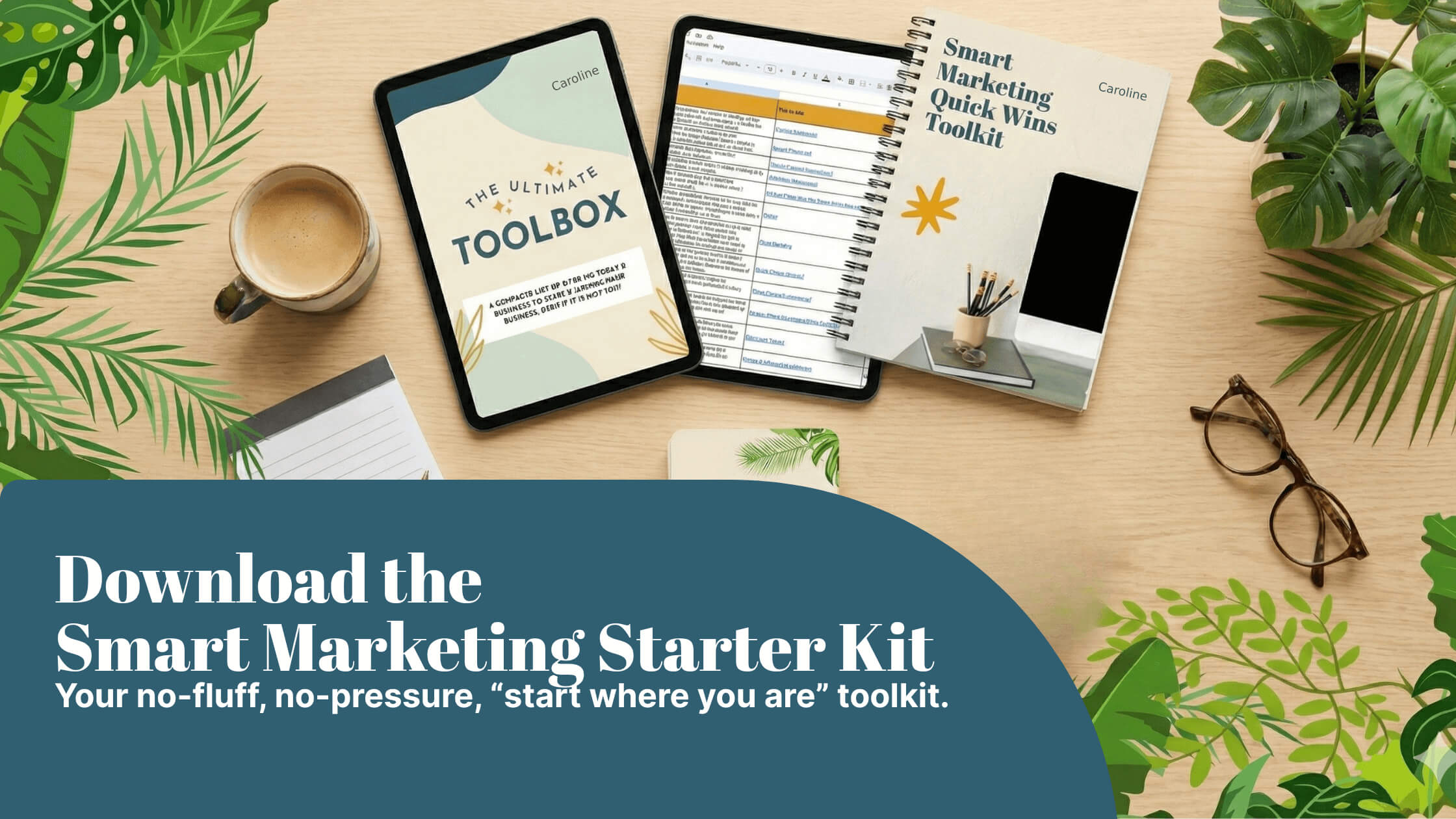
Before you start collecting email addresses, you need something valuable to offer in exchange. This isn’t about creating a 50-page ebook that takes you three months to write. Start simple.
- A checklist that saves them time
- A template they can customise
- A short guide that solves a specific problem
- A worksheet that helps them plan or organise something
The key is solving one problem really well, not trying to solve everything at once.
Setting Up Your Systems (Without Getting Bogged Down)
You’ll need an email marketing platform. Don’t overthink this choice—most platforms offer similar features at the entry level. Pick one that feels intuitive to you and get started. You can always switch later if needed.
My Top Recommendations for Beginners
Kit (formerly ConvertKit) is my go-to recommendation for most business owners. It’s designed specifically for creators and small businesses, which means it does exactly what you need without unnecessary complexity. The automation features are straightforward, the forms look professional, and their customer support actually helps. Yes, it’s slightly more expensive than some alternatives, but you’re paying for simplicity and reliability.
Flodesk is perfect if visual appeal matters to your brand. Their email templates are genuinely beautiful—no amateur-hour designs here. The drag-and-drop editor is intuitive, and their flat-rate pricing means you won’t get penalised as your list grows. It’s particularly good if you’re in a visually-driven industry or if your brand aesthetic is important to your positioning.
Mailchimp gets mentioned everywhere, and whilst it’s free for small lists, it can become clunky as you grow. The interface feels dated, and you’ll likely outgrow it quickly if your business is serious about email marketing.
ActiveCampaign is powerful but can be overwhelming for beginners. Save this for when you’re ready for more advanced automation.
- Welcome email: Thank them for joining and deliver your lead magnet
- Value email: Share a useful tip or insight (sent 2-3 days later)
- Introduction email: Tell them a bit about you and how you can help (sent a week later)
That’s it. No need for a 10-part sequence that takes weeks to write.
Growing Your List: Quality Over Quantity
Forget about aggressive tactics or buying lists. You want people who genuinely want to hear from you. Here’s how to attract them:
On your website: Add opt-in forms in logical places—not every square inch of your site. The end of blog posts, your about page, and a simple header banner work well.
In your content: Mention your lead magnet naturally when it’s relevant. If you’re answering a question on LinkedIn and your lead magnet solves that exact problem, mention it.
When networking: Instead of collecting business cards that go nowhere, ask if you can send them your useful resource. Most people will say yes.
With existing clients: Your current clients often know others who could benefit from your services. Ask if they’d like to share your lead magnet with their network.
The Content That Actually Converts
Your emails don’t need to be literary masterpieces. They need to be helpful. Share insights from your work, answer common questions, and be genuinely useful. People can sense authenticity from a mile away—and they can spot sales-y nonsense just as easily.
Write like you’re talking to a friend who’s asked for your professional advice. Be direct, be helpful, and be yourself.
Nurturing Without Being Pushy
The biggest mistake I see business owners make is treating their email list like a broadcast channel. Email marketing is called “email marketing,” but it’s really about building relationships.
Share your expertise generously. When you’ve helped someone solve a problem or avoid a mistake, they remember. When they’re ready to buy, or when they know someone who needs your services, you’ll be the first person they think of.
Measuring What Matters
Don’t get caught up in vanity metrics. A list of 100 engaged subscribers who open your emails and take action is worth more than 1,000 people who never engage. Focus on:
- Open rates (are people interested in your subject lines?)
- Click-through rates (are they engaging with your content?)
- Replies (are they starting conversations?)
- Conversions (are they becoming clients?)
When to Start Selling
This isn’t about waiting for the “perfect moment.” Once you’ve provided value and built some rapport, it’s perfectly reasonable to make offers. Your subscribers joined your list because they’re interested in what you do. Don’t make them guess how they can work with you.
Be clear about your services, share case studies, and make it easy for people to take the next step. Whether that’s booking a Power Hour session, joining a coaching programme, or simply having a conversation about their needs.
The Long Game
Building an email list isn’t a sprint—it’s a marathon. Some weeks you’ll add 10 new subscribers, others you might add two. That’s normal. What matters is consistency and quality.
Every email you send is an opportunity to demonstrate your expertise and build trust. Every new subscriber is a potential client or referral source. Every response is a chance to start a meaningful business relationship.
Your Next Step
Stop overthinking this. Choose your lead magnet topic, set up your email platform, and start collecting addresses. Your future self will thank you for beginning today rather than waiting for the perfect moment.
Your expertise matters. Your business deserves to be taken seriously. And your email list? That’s going to be the foundation that supports your financial independence and business growth.
The question isn’t whether you should build an email list—it’s how quickly you can get started.
Ready to build a marketing strategy that actually works for your business? Book a Power Hour session where we’ll tackle your biggest marketing challenge and create a clear action plan. Because your business deserves more than guesswork—it deserves expertise.
Want to dive deeper into email marketing? Watch my detailed presentation on Getting Started with Email Marketing where I walk you through the complete setup process step by step.