
Starting and running a business are no easy feat. Not only do you have to be knowledgeable in your chosen field, but you also need to be good at marketing your business. A lot of people think that marketing is all about strategy and tactics, but the truth is that it’s just as much about mindset. The way you think about marketing and business growth will dictate the way you approach it and the results you get. But easier said than done right? But if you’re serious about growing your business, it’s important to change how you think about your marketing mindset. Only then can you start putting together an effective marketing strategy.
When skills aren’t enough: Why mindset is important
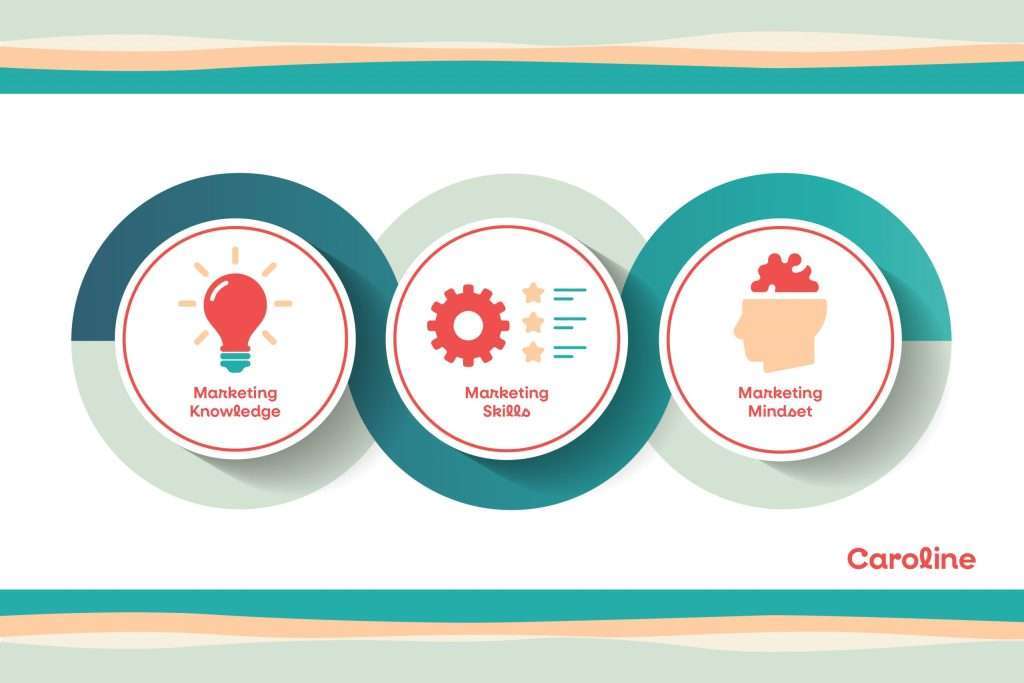
As a small business owner or solopreneur, you’ve probably had to wear many hats: sales and marketing, production, accounting and finance. You may have even added customer service or hiring/firing employees on top of all that. That’s why skills and knowledge can only take you so far in growing your business. But knowledge, skills and mindset all interlink! and in many cases, mindset might be your biggest hurdle, and it will show up in a lack of consistency, struggling with sales, confusion over pricing and not showing up and hiding and hoping that customers magically arrive.
Developing a Growth Mindset for Success
A growth mindset is the understanding that you can develop your skills and abilities, whereas a fixed mindset is a belief that your talents are innate and unchangeable. A person with a fixed mindset will often avoid challenges or difficult tasks or give up when faced with failure.
A growth mindset enables you to be open to new ideas and ways of doing things, which is vital for marketers who must constantly adapt their approach to reach different audiences at different times.
A growth mindset gives small business owners the flexibility and resilience to handle and overcome challenges. It helps us see failure as an inevitable part of success rather than something to be avoided at all costs while also watching out for unnecessary risks that can set you back.
Avoid perfectionism as that causes you to overthink instead of taking real action. Instead, focus on discerning when to give up on something because it isn’t working out versus when there is a need to shift your efforts into a different direction.
Take time for self-evaluation: Where can I improve?
The first step in making changes is a lot like the first step for many people: taking time to reflect. To begin with, it’s important to evaluate your strengths and weaknesses as a business owner. Identify areas where you could improve, especially if they are directly related to how marketing has been done in the past. Foster creativity within yourself by challenging your ideas of “what is enough” and how far you can push past fear when it comes time for the execution on new ideas or projects that aren’t perfect yet but may eventually become successful products or services.
How to identify your limitations and overcome them
The first step towards identifying your limitations is to recognize them. This is not as easy as it sounds because when you are in the middle of a project or campaign, it can be hard to identify where things went wrong. Our natural tendency is to blame external factors for any problems that arise, but this is not necessarily the case. Instead of focusing on what went wrong and how other people could have done it better, try looking at yourself and asking questions like: “Did I set realistic goals?” or “Are there things I could have done differently?” Once you have identified some areas where improvement might be needed, make a point of learning from these mistakes so they don’t happen again next time around!
Building consistency: The key to customer success
Consistency is the key to success in business and life. The more consistent you are, the more trust and legitimacy you build with your customers, which in turn builds brand awareness for your business. To become consistently successful at any endeavour, it’s critical that you make an effort to prioritize the business responsibilities that matter so that they don’t slip through the cracks or get pushed aside. If there is a list of things to accomplish that aren’t getting done, then stop putting them off! Start getting disciplined with your online business by prioritizing tasks in order of importance and focusing on customer needs. Building consistency is vital, but you don’t have to berate yourself for lapses. Instead, focus on finding simple ways (such as repurposing content) to consistently get in front of the right people as you find the right pace.
Imposter syndrome: Why it’s a detriment and how to overcome it
Confidence is key when it comes to marketing and growing your business. All the creativity and skill in the world won’t mean anything if you don’t have the confidence to implement it. Unfortunately, imposter syndrome is a common affliction among entrepreneurs, and it can seriously affect your marketing efforts. Left unchecked, imposter syndrome can lead to self-doubt, second-guessing, and a general feeling of inadequacy. This can prevent you from taking risks, trying new things, and ultimately achieving success. The good news is that imposter syndrome can be overcome with a little effort and perseverance. By recognizing the symptoms, focusing on what you have achieved as well as future goals and taking steps to build your confidence, you can overcome imposter syndrome and reach your full potential as an entrepreneur.
Embrace a customer centric approach
An effective customer-centric approach is a good way to think about your business. Empathize with the customer and consider their problems, desires and viewpoints if you want to understand where your growing brand fits into their lives. By centering your marketing efforts and business growth around delivering to customers, it adds a renewed passion and focus point for you as an entrepreneur. One of the best ways to become more customer-centric is to solicit feedback from those who have already purchased your product or service. This can help you identify areas where you need to improve. You can also use feedback to fine-tune your marketing strategy and target your potential customers better. By taking a customer-centric approach, you can ensure that your business is better positioned for success.
Conclusion
A growth mindset is the key to business success. The right approach will help you to develop a customer-centric business model, build consistency with your brand and create an environment where you can thrive. By adopting this mindset, you’ll be able to embrace change and build the discipline and motivation to overcome any obstacle that comes your way. The ultimate goal is to create a business where you’re making an impact and providing value for your customers.